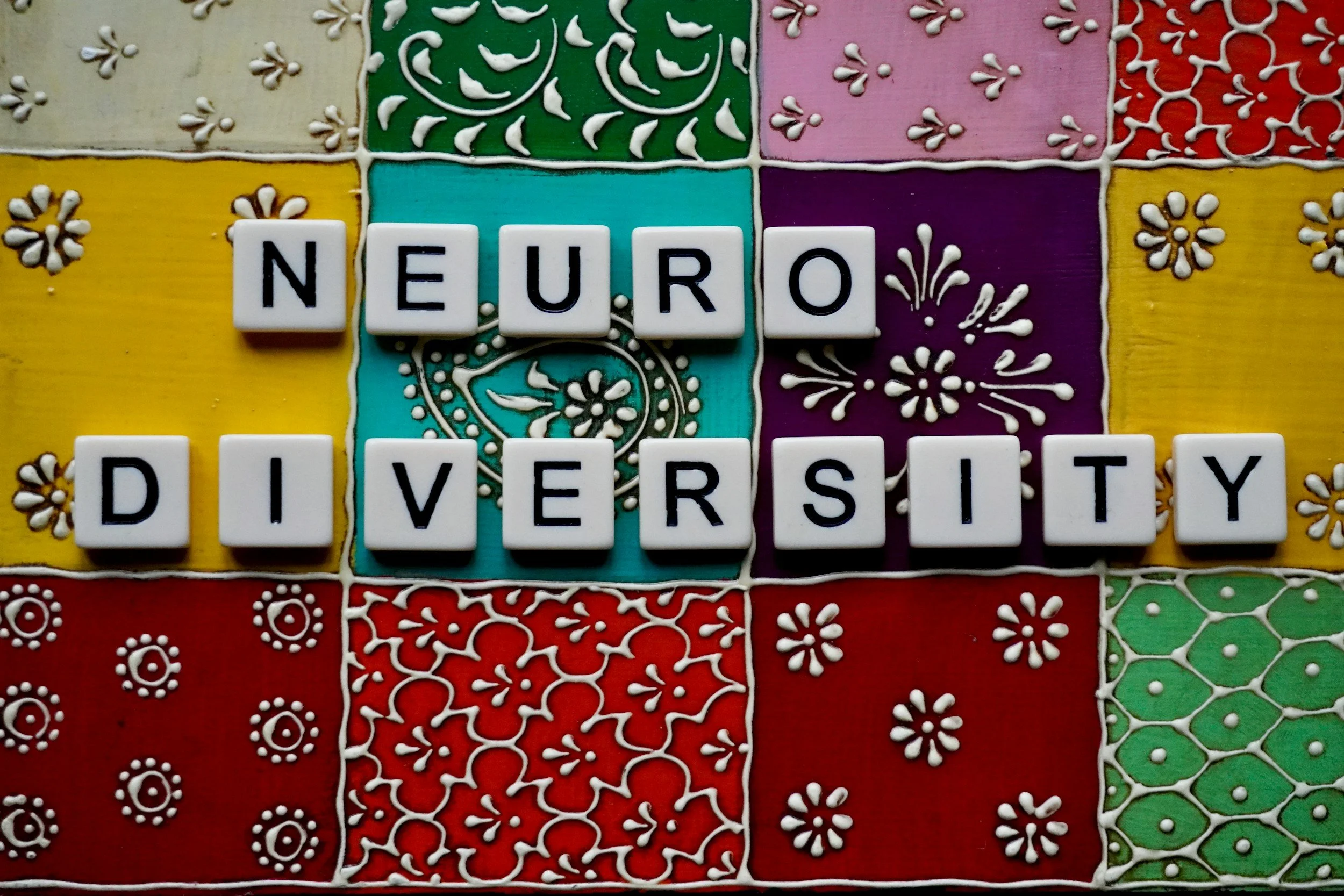
Aroreretini = Māori word for ADHD, translated as “attention goes to many things”
Takiwātanga = Māori word to describe Autism, translated as “in their own time and space”
Parenting Support
In my roles as both a therapist and a mother, I’ve met with countless clients and fellow parents over the years asking for support navigating uncertainty, self-doubt, frustration, and overwhelm around parenting, particularly if they are raising a “neurospicy” or “deeply feeling” child with ADHD, ASD, AuDHD, OCD, PDA, ODD, etc.
You’re in good company.
I’ve responded to this call to action with two specific and targeted offerings:
Individual parenting support in 1:1 sessions
Facilitated group parent support (in-person or virtually) with a cohort of 10+ parents at a time. This option is offered three times a year and in 6-week intervals.
Regardless of the form that works best for you (1:1 or group), areas of specialty include:
Neurospicy Nuts & Bolts
Intrinsic Motivation vs. Compliance; Self-Compassion and Skill-Building; Short- vs. Long-term strategies; Parenting “Up”; Executive Functioning Support; Nutrition
Physical/Bodily Regulation
Sleep Disturbances; Temperature Regulation; Hunger/Thirst; Sugar, Dopamine and Screens; Sensitivity to Pain and RSD; Tummy/Headaches; Fidgeting & Tactile Stimulation
Emotional Regulation & Communication
Meltdowns/Outbursts; Transition Difficulty; “Defiance” and “Lack of respect”; School Support & Accommodations; Perseverance/Maturity/”Grit”; Compulsive Behavior; Interpersonal Repair
Child’s Relationships with Others
Difficulty with Siblings & Peers; Friendship dynamics; Interrupting and “Talking At”; Relationships with Authority Figures (parents, teachers, etc.); Lying & Exaggerating; ACEs/PCEs
Child’s Relationship with Self
Negative Self-Talk/Inner-Critic; “Lack of motivation”; Anxiety/Depression; Difficulty Starting/Completing Tasks; RSD (part 2); Shame Spirals and Protecting long-term Mental Health
Taking care of YOU
Parenting Grief; Navigating NGE (Not Good Enough); Self-Care and Self-Regulation; Building Community; Self-Forgiveness; Personalized Integration
In other words, whether in 1:1 sessions or in a group, support is often guided by the following questions:
→ “How can I best support my neurospicy kid as they grow up and what can I do if I’ve made mis-steps along the way? It’s so confusing with different advice and suggestions everywhere I turn and…I just want my kid to be OK.”
I hear you. Me too. And we can 100% get there together.